

The evolution of gambling A journey through time and culture
The Ancient Origins of Gambling
The roots of gambling trace back thousands of years, with evidence found in ancient civilizations such as Mesopotamia, China, and Egypt. In these cultures, games of chance were not only forms of entertainment but also mechanisms for divination and decision-making. Dice made from bone or ivory have been discovered in archaeological sites, suggesting that the act of wagering was deeply embedded in social rituals and cultural practices. These early forms of gambling allowed communities to bond over shared experiences, while also introducing concepts of risk and reward that still resonate today. Today, you can easily find platforms like slotszer.casino that embody these timeless traditions in modern formats.
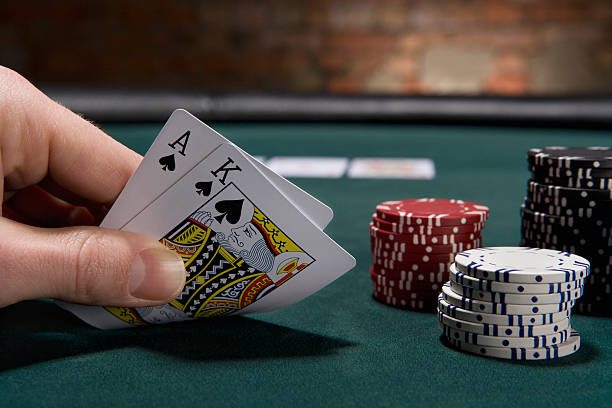
As societies evolved, so did their gambling practices. The Chinese, for instance, developed rudimentary betting games during the Shang Dynasty, which included a lottery system that played a vital role in public life. This cultural embrace of gambling was not merely for recreation; it served as a way to raise funds for significant projects, such as the Great Wall. Similarly, in ancient Rome, gambling was integral to social gatherings, with citizens often wagering on gladiatorial matches and chariot races, illustrating how gambling transcended mere play to become a vital social component.
The transition from primitive forms of gambling to more organized systems marked a significant evolution. By the Middle Ages, gambling had become formalized, with games like cards gaining popularity across Europe. The introduction of playing cards in the 14th century, originally from Asia, revolutionized gambling, creating a myriad of games that varied in complexity. This evolution also paved the way for the establishment of the first casinos in the 17th century, where the thrill of chance could be enjoyed in a structured environment, leading to the rich tapestry of gambling culture we see today.
The Renaissance and the Birth of Casinos
The Renaissance era marked a transformative period for gambling, particularly in Europe, where the first public casinos emerged. The gaming houses in Venice, known as Ridotto, opened their doors in the early 1600s, offering a regulated environment for gamblers. These establishments not only set the stage for organized betting but also introduced the concept of house rules, which governed the outcomes of various games. The allure of casinos grew as they became synonymous with luxury and entertainment, attracting the elite and paving the way for the glitzy venues we associate with modern gambling.
During this time, the invention of new games, such as baccarat and roulette, contributed to the growing popularity of casinos. Roulette, in particular, became a defining feature of the casino experience, with its spinning wheel symbolizing fortune and chance. The design and ambiance of these establishments began to evolve as well, creating an atmosphere of excitement and indulgence that captivated gamblers. This newfound focus on aesthetics and experience has influenced the design of casinos to this day, emphasizing the blend of entertainment and gambling as a lifestyle choice.
The establishment of casinos also had profound economic implications. They became significant contributors to local economies, generating employment and attracting tourism. This shift marked the beginning of gambling as a more widespread and accepted form of entertainment, no longer limited to clandestine gatherings but celebrated in public life. The seeds of modern gambling culture were sown during this era, as the fusion of entertainment, societal gatherings, and economic opportunity took root, shaping the future of the industry.
The Rise of Legalization and Regulation
The 20th century witnessed a significant shift in the perception of gambling, as many countries began to legalize and regulate the industry. This transformation was driven by the recognition of gambling’s potential to generate tax revenue and stimulate economic growth. The establishment of regulatory bodies aimed to oversee gambling operations and ensure fair play, which helped to alleviate public concerns regarding cheating and corruption. Legalization also allowed for a safer environment for players, protecting them from illegal gambling operations that were often rife with exploitation.
In the United States, the legalization of gambling began with Nevada in 1931, which paved the way for Las Vegas to become the gambling capital of the world. The glitz and glamour of Las Vegas attracted millions of tourists, eager to experience the thrill of gaming and entertainment. This trend spread to other states, culminating in the establishment of casinos in jurisdictions outside Nevada. The expansion of gambling opportunities was also propelled by the introduction of lotteries and sports betting, further embedding gambling into the fabric of American culture.
Global trends mirrored this shift, with countries like Australia and several nations in Europe embracing regulated gambling. This expansion has fostered a variety of gambling formats, from online platforms to mobile betting apps, reflecting the changing preferences of modern players. The evolution of technology has been integral to this growth, enabling innovative gaming experiences while ensuring responsible gambling practices. Today, players can engage in gambling activities from the comfort of their homes, highlighting how far the industry has come since its ancient origins.
The Impact of Technology on Gambling
The advent of the internet revolutionized the gambling industry, creating a seismic shift in how players engage with their favorite games. Online casinos began to emerge in the mid-1990s, offering an unprecedented level of accessibility and convenience. Players could now enjoy a wide range of games from their computers, leading to a surge in participation and a broader demographic engaging in gambling activities. The ability to play anytime and anywhere significantly changed the landscape, transforming casual gaming into a more mainstream pastime.
Mobile technology further accelerated this evolution. With smartphones becoming ubiquitous, players now have the opportunity to gamble on the go, accessing a plethora of games at their fingertips. Mobile apps have transformed traditional casino experiences, allowing for live dealer games and immersive gaming environments that closely mimic the excitement of physical casinos. This integration of technology has not only enhanced player engagement but has also introduced new genres of games that appeal to a diverse audience.
However, this digital revolution also brings challenges, particularly regarding responsible gambling. The ease of access to gambling platforms has raised concerns about addiction and financial risks. As a result, many jurisdictions have implemented measures to promote responsible gambling practices, such as self-exclusion tools and awareness campaigns. The focus on player protection reflects an evolving understanding of gambling as a form of entertainment, emphasizing the importance of moderation and responsibility in today’s fast-paced gaming environment.

Exploring Slotszer: A Modern Gambling Experience
In the contemporary landscape of gambling, Slotszer stands out as a remarkable online casino and sportsbook. Launched in 2026, it brings together a diverse range of classic and modern casino games, offering an exhilarating experience for both newcomers and seasoned players. The user-friendly interface ensures that players can easily navigate through a multitude of options, whether they prefer spinning the reels of slot machines or placing bets on live sports events.
Slotszer is committed to providing a seamless gambling experience, enhanced by enticing promotions and bonuses. New users can take advantage of a generous welcome bonus, which includes free spins and monetary bonuses designed to enrich their gaming adventures. The platform focuses on creating a thrilling atmosphere while promoting responsible gambling, ensuring that players can enjoy their experience without compromising on safety.
As gambling continues to evolve, Slotszer embodies the future of this vibrant industry. By blending traditional elements with modern technology, it captures the essence of what makes gambling a captivating and enjoyable activity. Players are invited to explore the exciting world of Slotszer, where innovation meets entertainment, paving the way for the next chapter in the rich history of gambling.
