


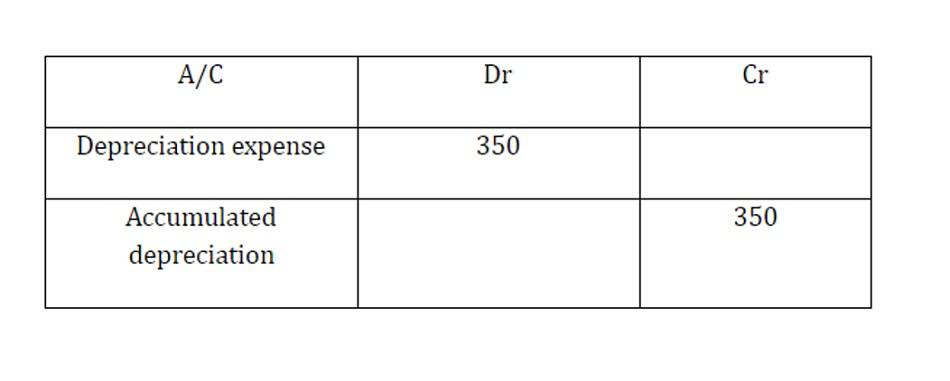
This involves updating the accrued liabilities account to reflect any additional expenses incurred during Debt to Asset Ratio the period. Changes in balance sheet accounts are also used to calculate cash flow in the cash flow statement. For example, a positive change in plant, property, and equipment is equal to capital expenditure minus depreciation expense.

Capital
Still, small are liabilities expenses businesses make mistakes between these two while doing the accounting. Thus, as a business owner, you must know the differences between expense vs liability accounts. This interplay shows how unpaid expenses become liabilities until they are settled. As a result, companies must manage both expenses and liabilities carefully to maintain healthy cash flow and financial stability. Common types of liabilities include current liabilities, noncurrent liabilities (also known as long-term liabilities) and contingent liabilities. Each item touches cash within twelve months, so lenders watch them closely.

How does accrual accounting handle expenses and liabilities?

Non-current ones take over a year to settle, like long-term bank loans or bonds payable. On the other hand, strategic use of liabilities can foster growth. For example, companies may take out loans to invest in profitable ventures, such as expanding into new markets or launching new products. If these ventures succeed, the liabilities will be more than offset by the increased revenues. Furthermore, expenses are usually recurring in nature, meaning they are expected to be incurred regularly over time. Examples of recurring expenses include salaries, rent, utilities, and assets = liabilities + equity marketing costs.
ALICE accounts and transactions
Liabilities also include revenue received in advance because it obligates a business to deliver a service or product to its customer in the future. For example, if a video game publisher receives revenue from pre-order sales, the receipts are considered as a liability of the business until the video game is shipped. The accounting information of a business can be organized into ten elements of the financial statements. Keeping up with payroll tax laws can be confusing and time-consuming. You can make tax withholding easier by using software like Hourly.
- You can use the Excel file to enter the numbers for any company and gain a deeper understanding of how balance sheets work.
- Proper disclosure of liabilities and expenses is vital for transparency and compliance with accounting standards.
- This concept will seem strange at first, but it’s designed to be a self-checking system and to give twice as much information as a simple, single-entry system.
- Higher expenses relative to revenue may indicate inefficiencies or increased costs, while lower expenses may suggest cost-saving measures or improved operational performance.
- When a company records an expense, it most obviously appears within a line item on the income statement.
So there you have it—expenses are the unsung heroes (or perhaps the villains) of your financial narrative. They play a crucial role in measuring your company’s profitability but don’t quite fit into the boxes labeled assets, liabilities, or equity. Instead, they march to the beat of their own drum on the income statement, all while subtly influencing the balance sheet from behind the curtain. There are no exceptions to this rule, even though some accounts may seem to have strange rules at first. These withdrawals are recorded as debits, because they decrease equity. Common accrued expenses include salaries earned but not yet paid, interest accumulating on loans, taxes owed but not yet due, and utility bills for services already used but not yet billed.
- On the other hand, strategic use of liabilities can foster growth.
- Similarly, expenses should be clearly categorized and disclosed to give a true picture of the company’s financial health.
- Assets are resources that a company owns and can use to generate future economic benefits.
- Revenue is the money a company earns from the sale of its products and services.
- Under cash, the entire transaction is delayed until March, when the invoice is paid.
- When the supplier delivers the inventory, the company usually has 30 days to pay for it.
- This account may or may not be lumped together with the above account, Current Debt.
- It helps in aligning the timing of expense recognition with the period in which the related benefits are received, thereby adhering to the matching principle in accounting.
- They are reported on the income statement, impacting net profits.
- If you’re working with a larger team, establish clear communication channels to ensure everyone involved in the accrual process is informed and aligned.
- Insufficient documentation can make it difficult to substantiate these expenses during audits, potentially leading to penalties.
- The Cash account stores all transactions that involve cash receipts and cash disbursements.
Expenses, on the other hand, are not typically shown on the balance sheet but are crucial in determining the company’s profitability. In contrast, accounts payable refers to amounts a company owes to suppliers for goods or services that have been received but not yet paid for. These are typically short-term obligations that are due within a specific period, often 30 to 90 days.
Video Explanation of the Balance Sheet
Income is money the business earns from selling a product or service, or from interest and dividends on marketable securities. Other names for income are revenue, gross income, turnover, and the “top line.” Now let’s draw our attention to the three types of Equity accounts, discussed below, that will meet the needs of many small businesses. If I purchase a $30,000 vehicle (asset) with a $25,000 loan (liability) and $5,000 in cash (equity), I’ve acquired an asset of $30,000, but have only $5,000 of equity in the asset.
- Now that we know the common types, let’s explain how to calculate payroll liabilities.
- In accounting, liabilities are the amounts a business owes to other people or organizations.
- Income is “realized” differently depending on the accounting method used.
- Wages payable is recorded as a current liability as it is expected to be paid within one year.
- To streamline your accounting processes, explore FinOptimal’s Accruer software and managed accounting services.
- This misstatement can mislead stakeholders about the company’s financial performance and position.
If depreciation expense is known, capital expenditure can be calculated and included as a cash outflow under cash flow from investing in the cash flow statement. For instance, a company is unable to afford to pay cash to purchase its monthly office supplies. It then decided to take out a loan to pay for these expenses which then becomes a liability.
