


The world of Forex trading is not just about strategies and analysis; it also significantly hinges on the concept of time. Understanding forex trading time Trading Broker KH the Forex trading hours can vastly improve your trading results and help you make informed decisions. This article will delve into the critical aspects of Forex trading time, the different trading sessions, their characteristics, and tips to optimize your trading based on market hours.
1. Introduction to Forex Trading Time
Forex trading time refers to the specific periods when Forex markets are open for trading. The Forex market is unique; it operates 24 hours a day, five days a week, allowing traders to access it from anywhere in the world at almost any time. This constant availability creates various trading opportunities that can be exploited if you are aware of the active trading periods.
2. Understanding the Global Forex Market Hours
The Forex market is divided into four main trading sessions: the Sydney session, the Tokyo session, the London session, and the New York session. Each of these sessions has its own characteristics, including volatility levels and economic activities affecting currency pairs.
2.1. Sydney Session
The Sydney session marks the beginning of the Forex trading week, starting at 10 PM GMT on Sunday and closing at 7 AM GMT on Monday. While this session typically has less volatility compared to others, it’s essential for traders focusing on the Australian dollar and Pacific currencies.
2.2. Tokyo Session
Starting at 12 AM GMT and ending at 9 AM GMT, the Tokyo session is known for its volatility. It reflects significant trading activity linked to Asian currencies. This session offers various opportunities, especially for traders interested in pairs involving the Japanese yen.
2.3. London Session
The London session starts at 8 AM GMT and closes at 5 PM GMT. It is arguably the most critical trading session due to the significant number of trades that happen during this time. A considerable amount of economic data is released during this session, making it a hotspot for volatility.
2.4. New York Session
Beginning at 1 PM GMT and ending at 10 PM GMT, the New York session is characterized by high activity. This session overlaps with the London session for a few hours, creating opportunities for traders due to heightened trading volume and fluctuations in asset prices.
3. Overlaps: The Best Time to Trade
One of the most beneficial aspects of Forex trading time is the overlapping sessions. The overlaps between the London and New York sessions (from 1 PM GMT to 5 PM GMT) are particularly lucrative due to increased trading volume, leading to higher volatility and better price movements. Traders can capitalize on this by being active during these overlapping periods.
4. Factors Affecting Forex Trading Time
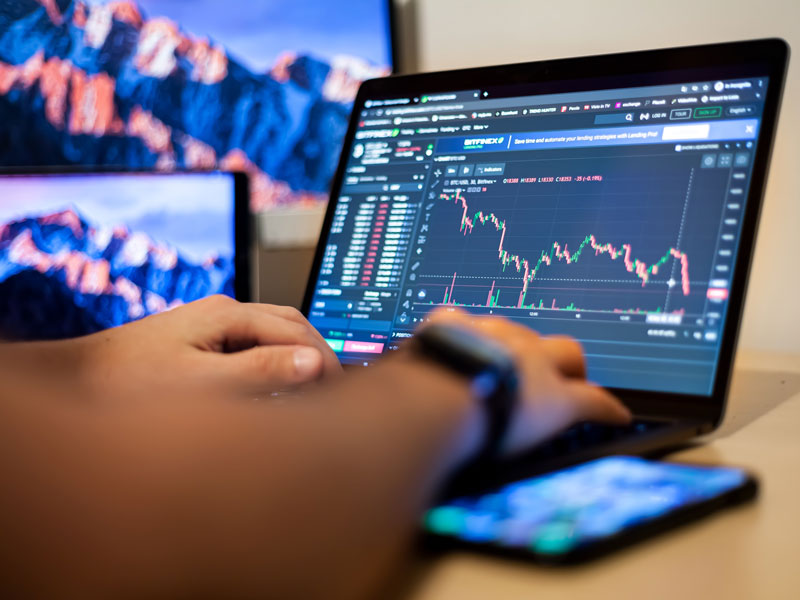
Several factors can impact Forex trading time: economic news releases, geopolitical events, market sentiment, and seasonal factors. It’s crucial for traders to stay updated on these factors as they can drastically influence market behavior.
4.1. Economic News Releases
Economic reports, such as Non-Farm Payroll (NFP) data, interest rate decisions, and GDP growth rates, can greatly affect currency movements. Typically, trading activity spikes during the announcement of significant economic data, so it is wise to plan your trades around these events.
4.2. Geopolitical Events
Events such as elections, policy announcements, and international conflicts can lead to considerable volatility in the Forex market. Staying informed about geopolitical developments can provide traders with insights that help them make proactive trading decisions.
5. Strategies Based on Forex Trading Time
Given the importance of timing in Forex trading, developing specific strategies that align with market hours can enhance trading performance. Here are some recommendations:
5.1. Scalping During Active Sessions
Scalping is a trading strategy focusing on making small profits from minor price changes. Active sessions, especially during overlaps, can present numerous opportunities for traders employing this strategy. Scalpers should be alert and ready to make quick decisions to capitalize on rapid price movements.
5.2. Swing Trading Based on Session Characteristics
For swing traders, understanding the characteristics of different trading sessions can inform entry and exit points. Traders can analyze market trends and select their trades based on session volatility, employing a more extended trading timeline.
5.3. Adjusting Trading Times According to Currency Pairs
Different currency pairs react differently during various time periods. For instance, trading USD/EUR during the London session may yield better results than during the Sydney session. Therefore, adjusting your trading approach based on currency pair characteristics can lead to more successful outcomes.
6. Conclusion
Understanding Forex trading time is essential for every trader looking to enhance their effectiveness in the market. By knowing the market hours, recognizing the significance of trading overlaps, and adjusting your strategies based on time and market conditions, you can significantly increase your potential for success in Forex trading. Always stay informed about economic and geopolitical events, as they can impact your trading results.
In summary, whether you are a novice or an experienced trader, leveraging your knowledge of Forex trading time can lead to better decision-making and, ultimately, to profitability.
